How to Understand Lecture Slides (When They Make No Sense)
You open the slides after class and they look like a list of keywords. You read them twice and still cannot say what the lecture was about. This is normal, and you are not alone. It happens to students in every subject, and there is a way through it.
In a hurry?Regra AI explains every slide for you.See how
Why slides are hard to study from
It is not you. Slides are made to help the lecturer talk. They are not made to teach you on their own.
- They show the conclusion and leave out the reasoning.
- The lecturer filled the gaps out loud, and that part is not on the slide.
- Some slides are only a picture or a few keywords.
How to study lecture slides, in five steps
This is the best way we know to study lecture slides when nobody explains them to you. Do the steps in order.
1. Read the titles first
Go through the whole deck and read only the slide titles. Now you know what the lecture is about and where it is going, before you look at any detail.
With long lecture slides, group the titles into three or four main topics and study one topic at a time.
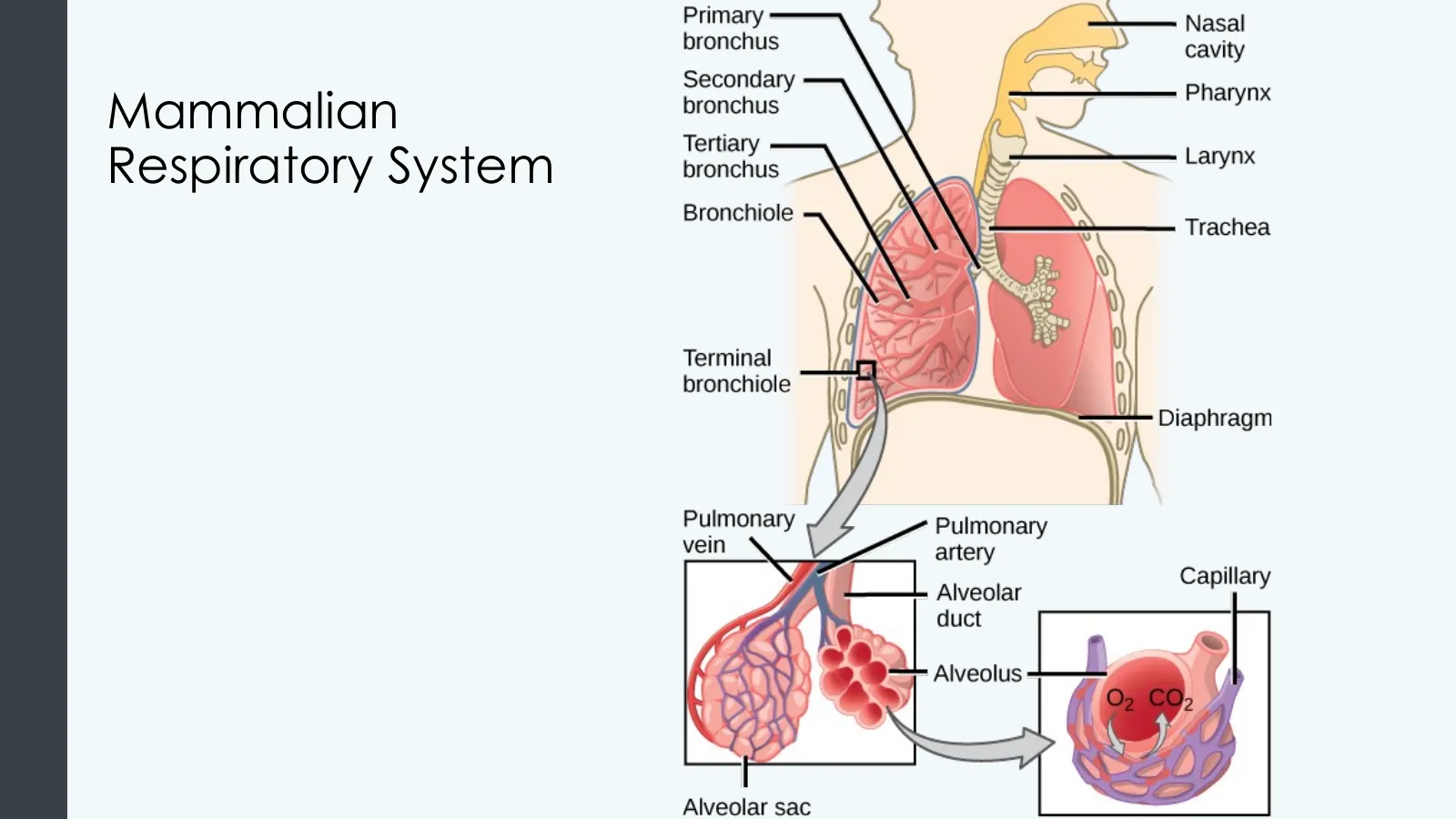
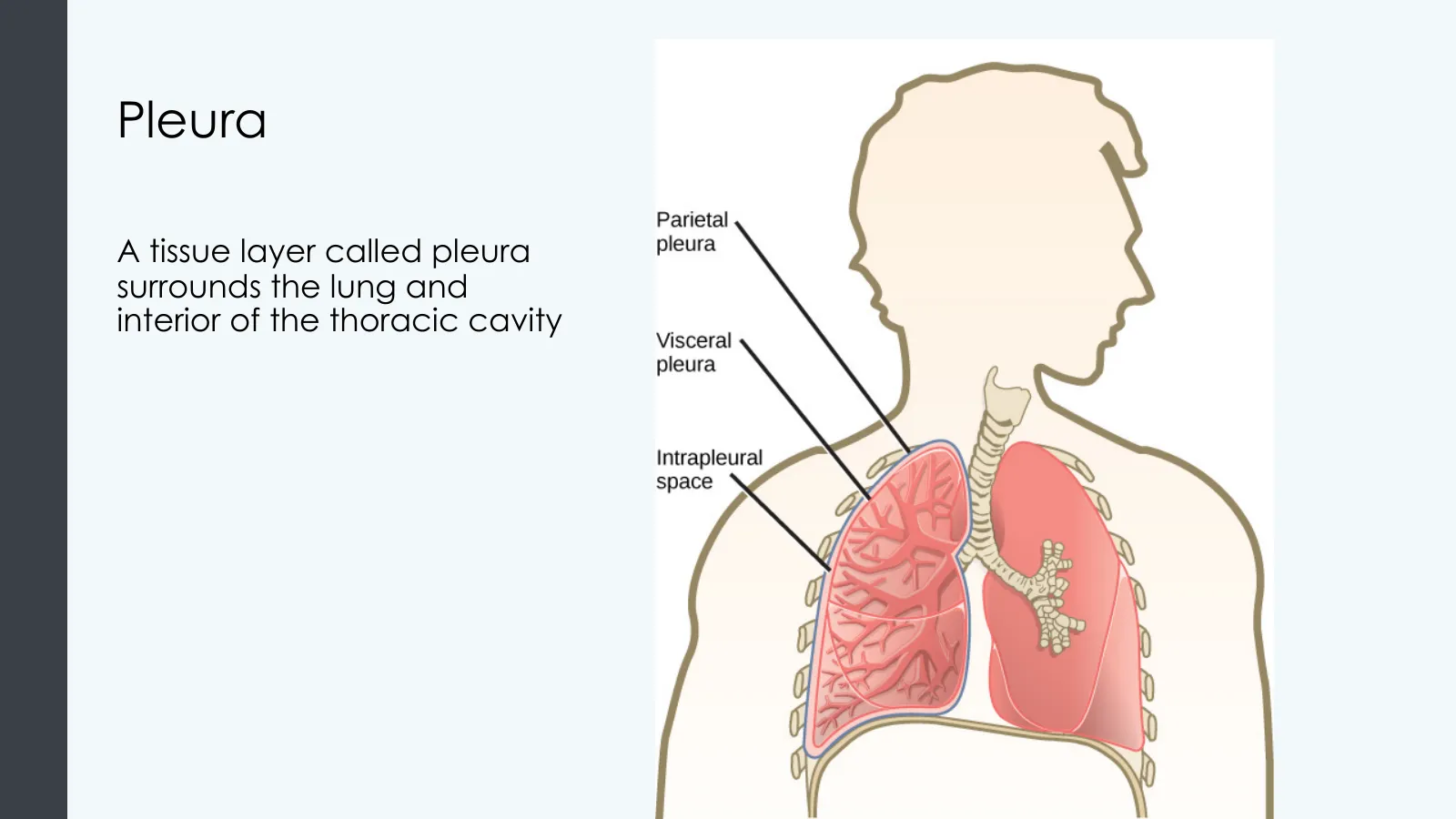
2. Ask what question each slide answers
Turn each title into a question. If you cannot answer it from the slide, you have found a gap. Mark it and move on.
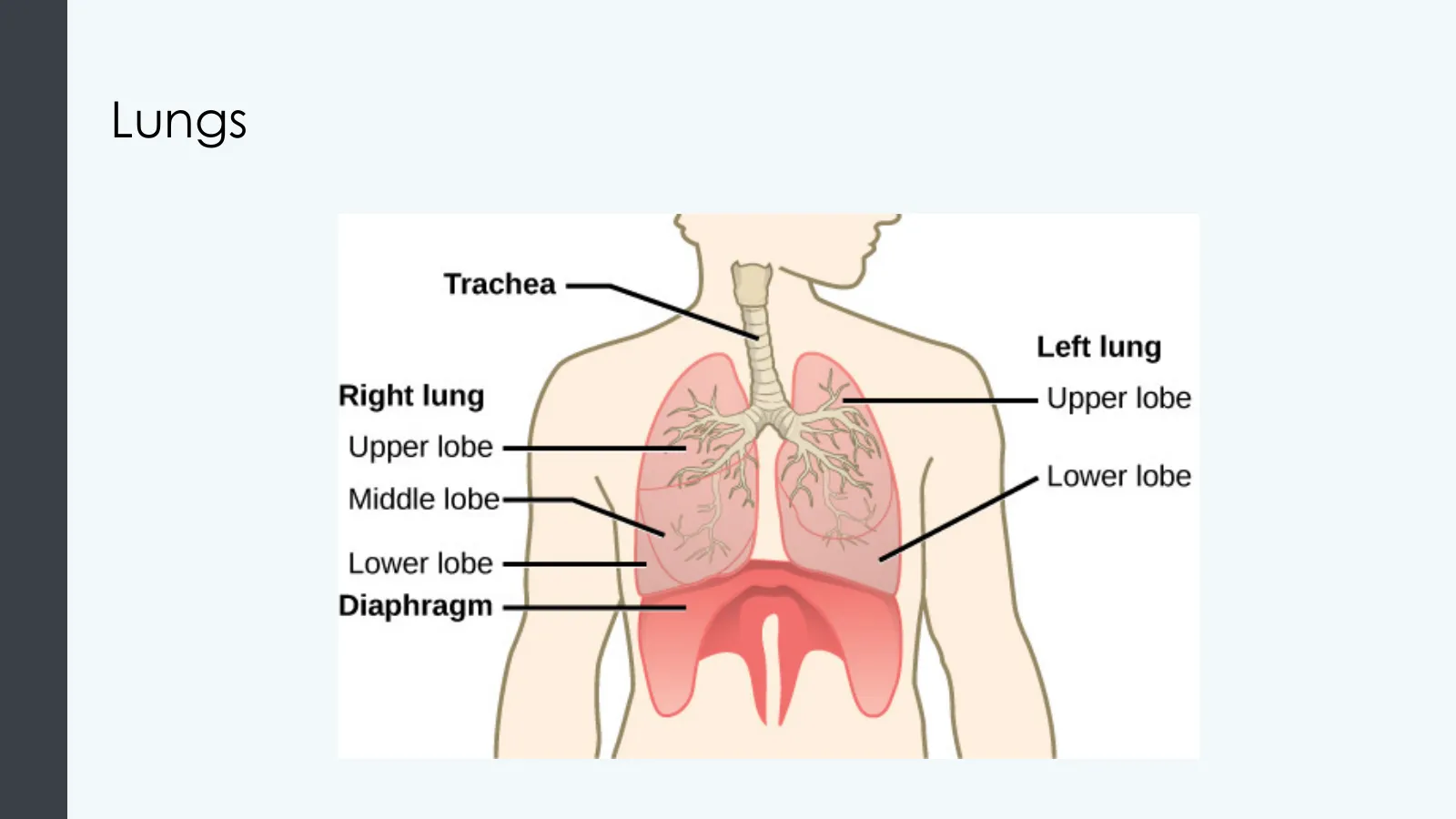
The title says "Lungs". Your question:
What do the lungs do, and how are they built?
3. Fill the gaps one at a time
For each gap, look it up in your textbook or your course notes. Write the answer in one or two plain sentences next to the slide. Short and in your own words is better than a copied paragraph.
4. Explain it in your own words
Close the slides and explain the topic out loud, as if to a friend who was not in class.
Tip. The place where you get stuck is the part you still need to learn.
5. Test yourself the next day
Write three or four questions for the lecture and answer them without looking. Recalling the answer is what makes it stay.
This is why Regra AI exists
Regra AI was made for exactly this. Upload the slides and it does steps 2 to 5 for you. It explains every slide from scratch, then gives you notes, flashcards and quizzes. Nothing skipped.
Lungs
The lungs are the paired organs where gas exchange occurs. The right lung has three lobes (upper, middle, lower), while the left lung has two lobes (upper, lower). The left lung is smaller because it shares space with the heart.
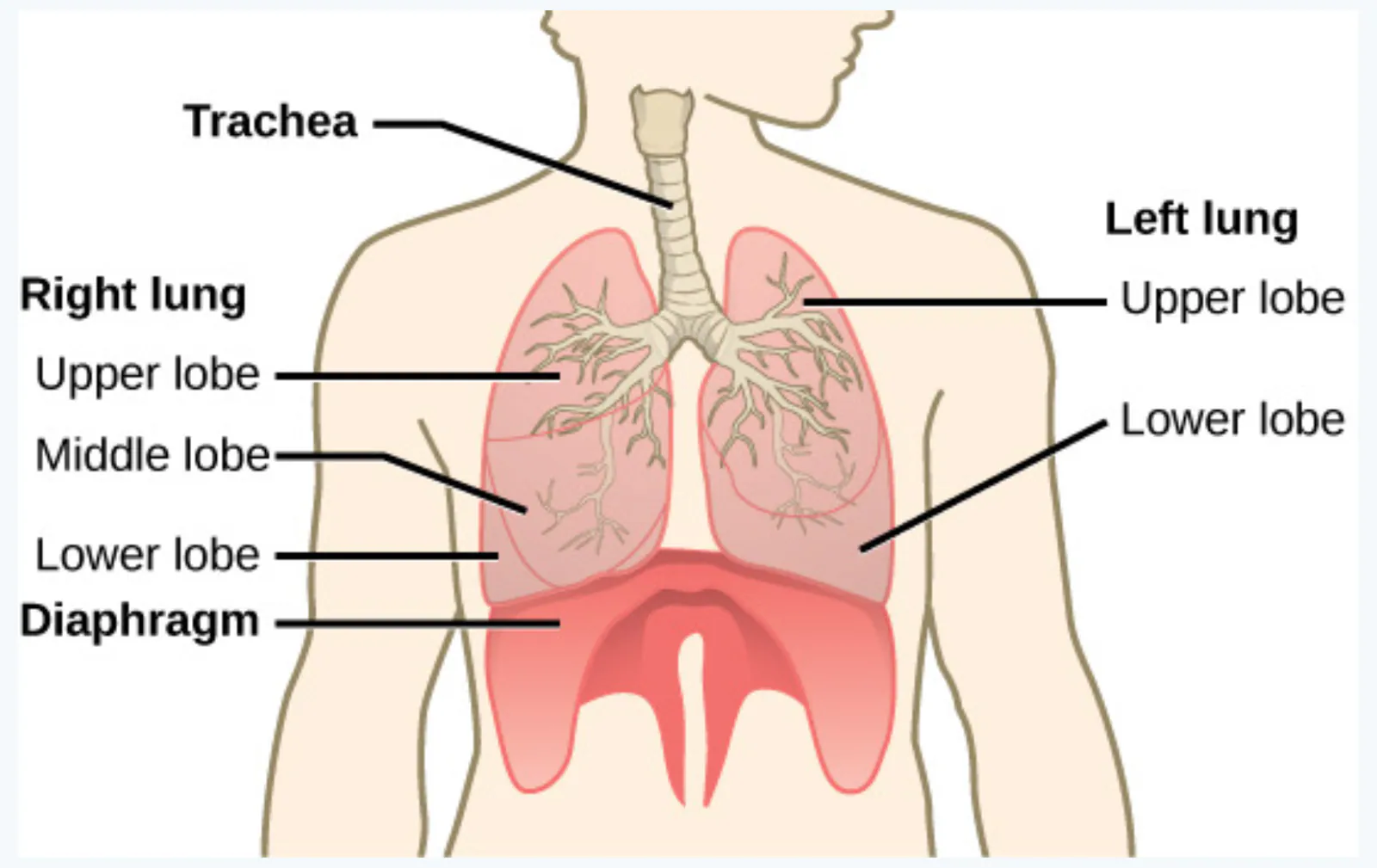
The left lung's smaller size is why the heart sits slightly to the left of center in the chest.
Why does the right lung have three lobes while the left has only two?
Questions students ask
- What is the best way to study lecture slides?
- Go through them in order. Read the titles first, ask one question per slide, explain each topic in your own words, and test yourself the next day.
- How do I study long lecture slides?
- Use the slide titles to split the deck into its main topics, and do one topic at a time. Do not try to memorise it slide by slide.
- Can AI explain my lecture slides?
- Yes. Regra AI explains every slide from scratch and gives you notes, flashcards and quizzes from the same file.
Keep reading
Source slides adapted from “Biology for Majors II” by Shelli Carter and Lumen Learning, incorporating OpenStax Biology content (cnx.org), licensed under CC BY 4.0