Can't Understand Your Lecturer? Here's What to Do
The lecturer talks fast, has a strong accent, or teaches in a language that is not your first. You leave class with half a page of notes and no idea what happened. This is normal, and you are not alone. It does not mean you are bad at the subject.
In a hurry?Record the lecture and Regra AI explains it for you.See how
Why you can't follow the lecture
It is not you. A lecture is hard to follow for three plain reasons.
- Speed. People talk faster than you can write.
- Accent or a second language. Your attention goes to the words, not to the ideas.
- Skipped steps. The lecturer knows the topic too well and jumps ahead.
How to understand lectures better, in five steps
You cannot change how the lecturer talks. You can change what you do before, during and after class.
1. Read the slides before class
A few minutes is enough. When you have already seen the words, they are much easier to catch when someone says them quickly.
2. Record the lecture
With a recording you can stop trying to write everything down, and listen instead. Whatever you miss, you can hear again.
Ask first. Rules about recording differ between universities and lecturers.
3. Write down only what you did not understand
Note the time and two or three words. After class you know exactly which parts to go back to, and you skip the rest.
What your notes can look like:
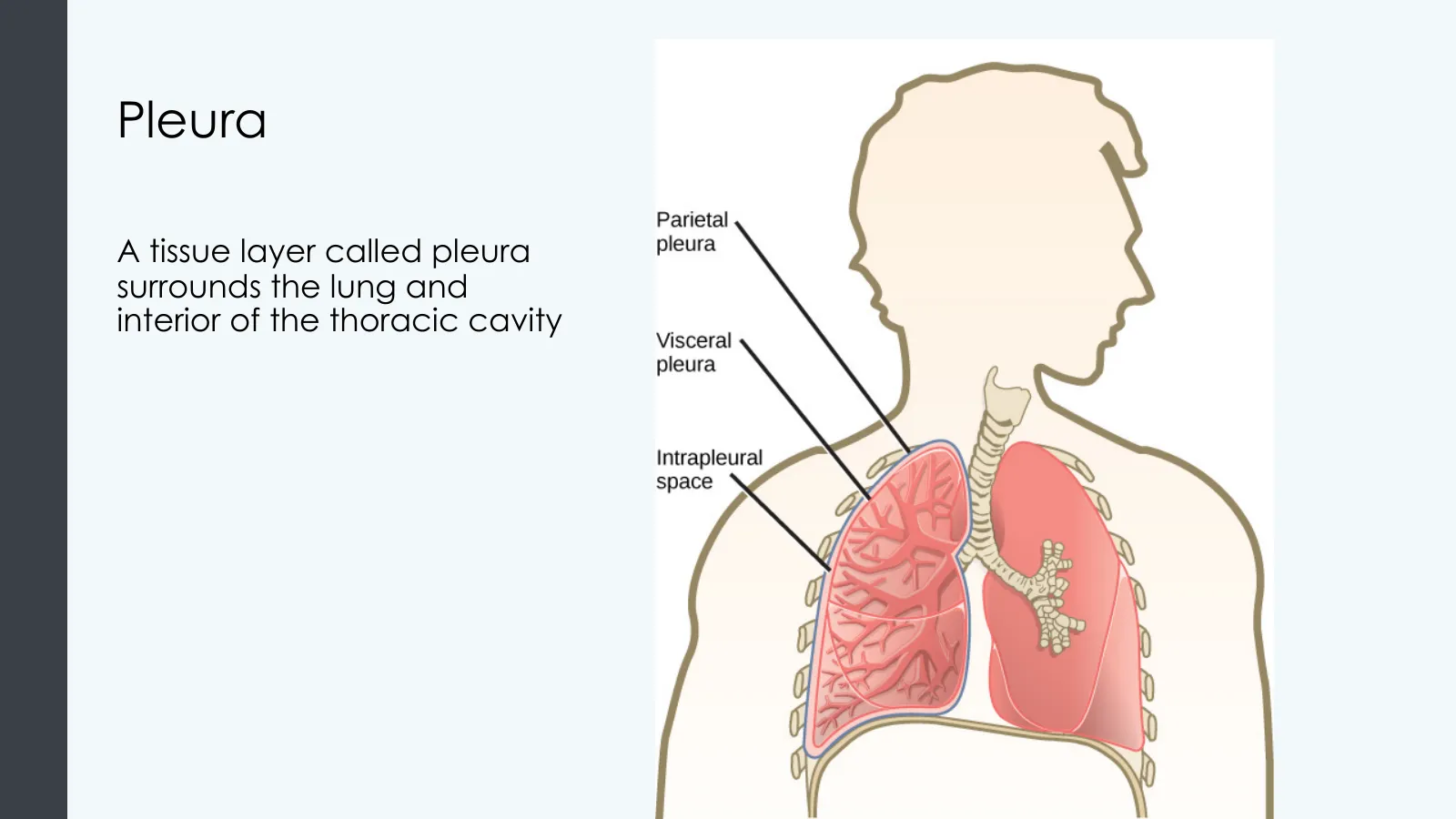
- 14:20pleura, two layers?
- 31:05why does air flow in?
4. Go through it again within a day
Go back to the parts you marked while the class is still fresh. If you wait until exam week, you have to learn it from zero.
5. Ask one specific question
"I did not understand anything" is hard to answer. "Why does air flow in when the diaphragm contracts?" gets you a real answer in office hours.
This is why Regra AI exists
Regra AI was made for exactly this. Record the lecture or upload the slides, and read the whole lecture explained from scratch, step by step. In the language you choose, 34 of them.
Lungs
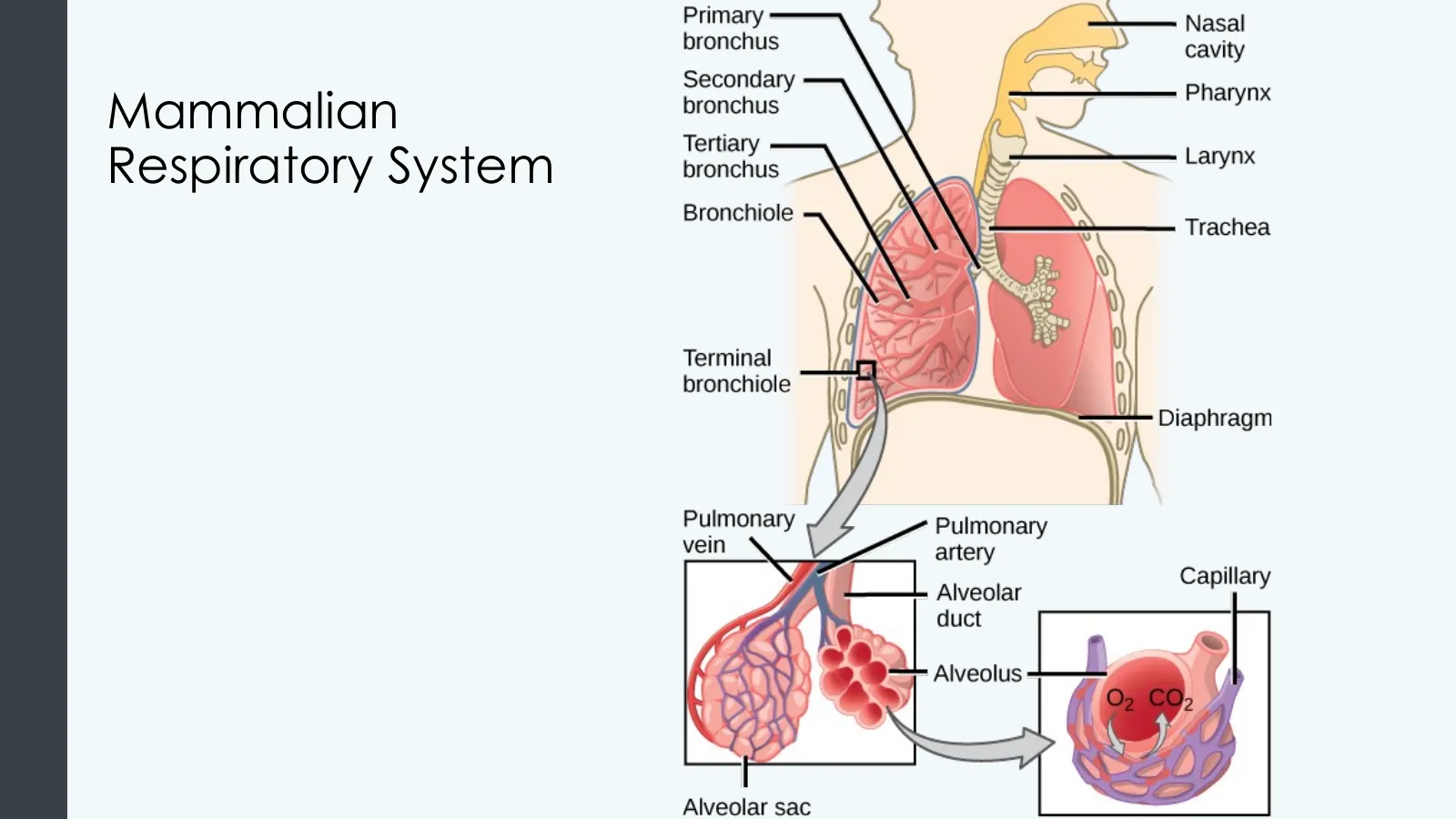
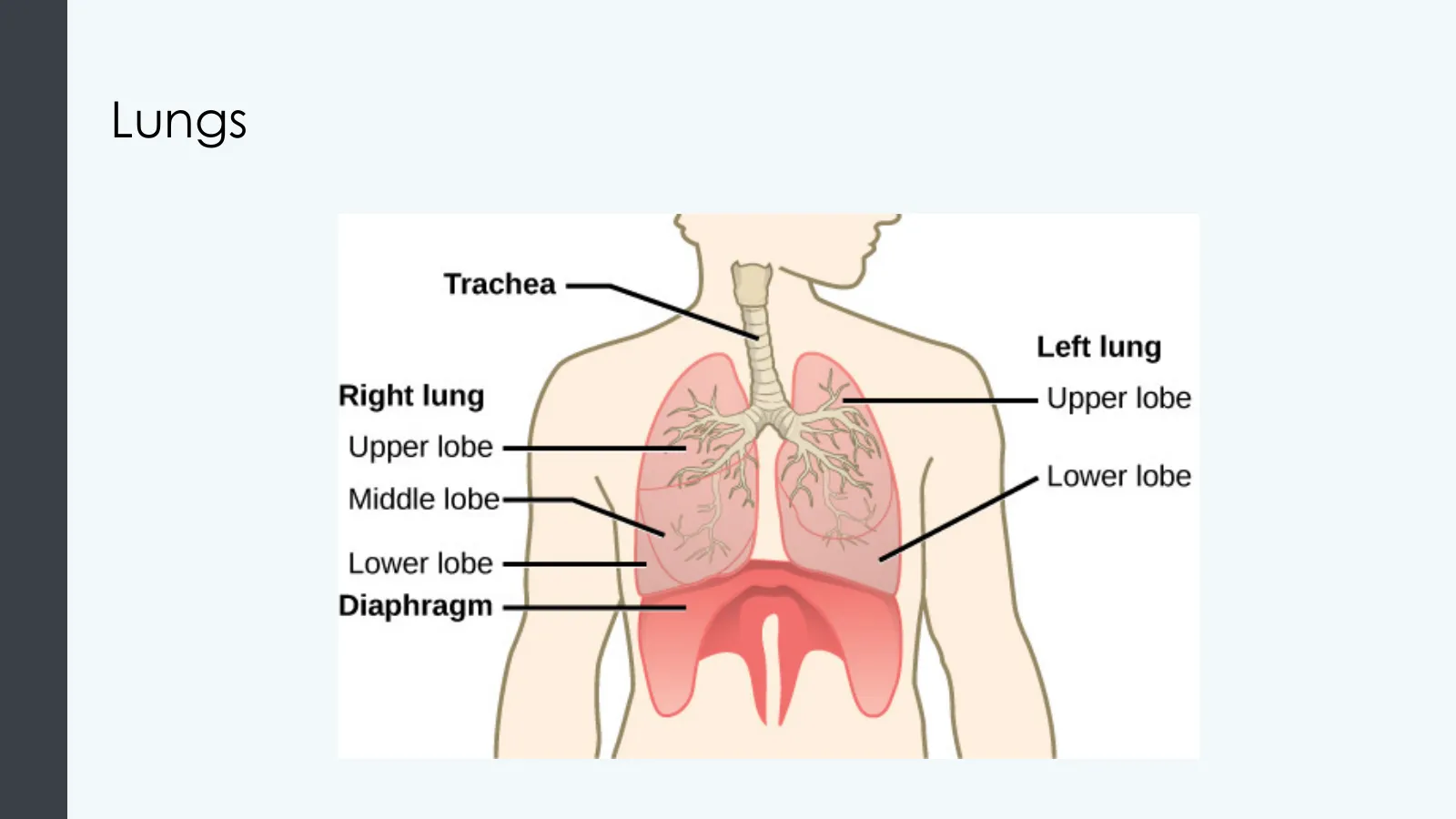
The lungs are the paired organs where gas exchange occurs. The right lung has three lobes (upper, middle, lower), while the left lung has two lobes (upper, lower). The left lung is smaller because it shares space with the heart.
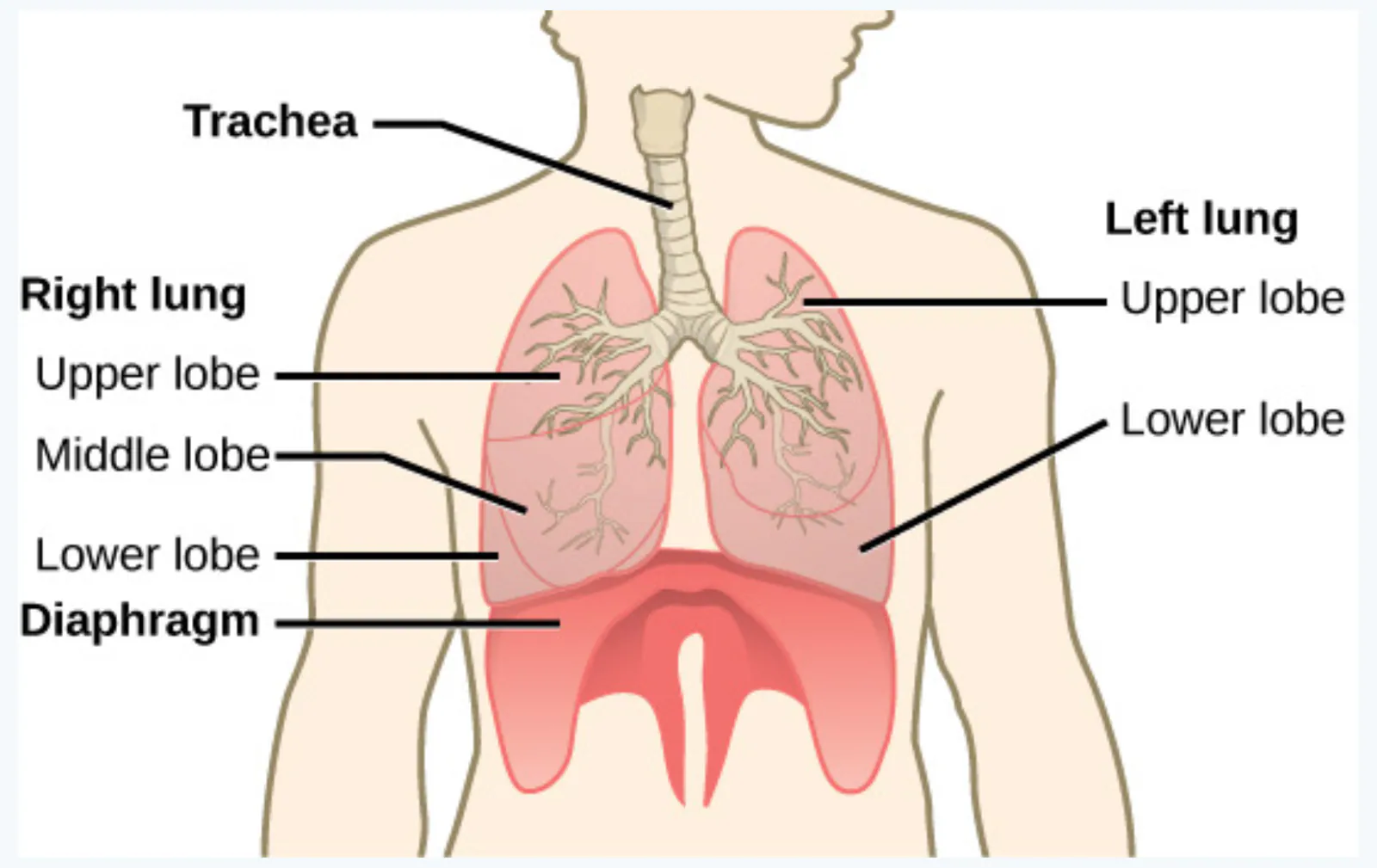
The left lung's smaller size is why the heart sits slightly to the left of center in the chest.
Why does the right lung have three lobes while the left has only two?
Los Pulmones
Los pulmones (lungs) son los órganos principales del intercambio gaseoso. Están ubicados en la cavidad torácica, protegidos por las costillas.
El pulmón derecho está dividido en tres lóbulos: superior, medio e inferior. El pulmón izquierdo tiene solo dos lóbulos: superior e inferior. ¿Por qué esta diferencia? El pulmón izquierdo es más pequeño porque debe dejar espacio para el corazón, que está ubicado ligeramente hacia el lado izquierdo del pecho. Esta es la respuesta a la pregunta de práctica de la diapositiva 27: el pulmón izquierdo de los mamíferos es más pequeño que el derecho para acomodar el corazón.
¿Cuántos lóbulos tiene el pulmón derecho y cuántos el izquierdo?
¿Por qué el pulmón izquierdo es más pequeño que el derecho?
Questions students ask
- Why can't I understand my lecturer?
- Usually it is speed, accent, or a lecture in your second language. None of these mean you are bad at the subject.
- How can I understand lectures better in class?
- Read the slides before class, sit where you can hear well, and write down only what you did not understand.
- Is it OK to record a lecture?
- Rules differ between universities and lecturers, so ask first.
- Can AI help if the lecture is not in my first language?
- Yes. Regra AI explains a lecture in the language you choose. 34 languages.
Keep reading
Source slides adapted from “Biology for Majors II” by Shelli Carter and Lumen Learning, incorporating OpenStax Biology content (cnx.org), licensed under CC BY 4.0